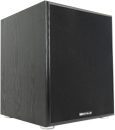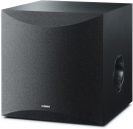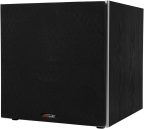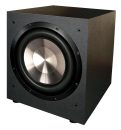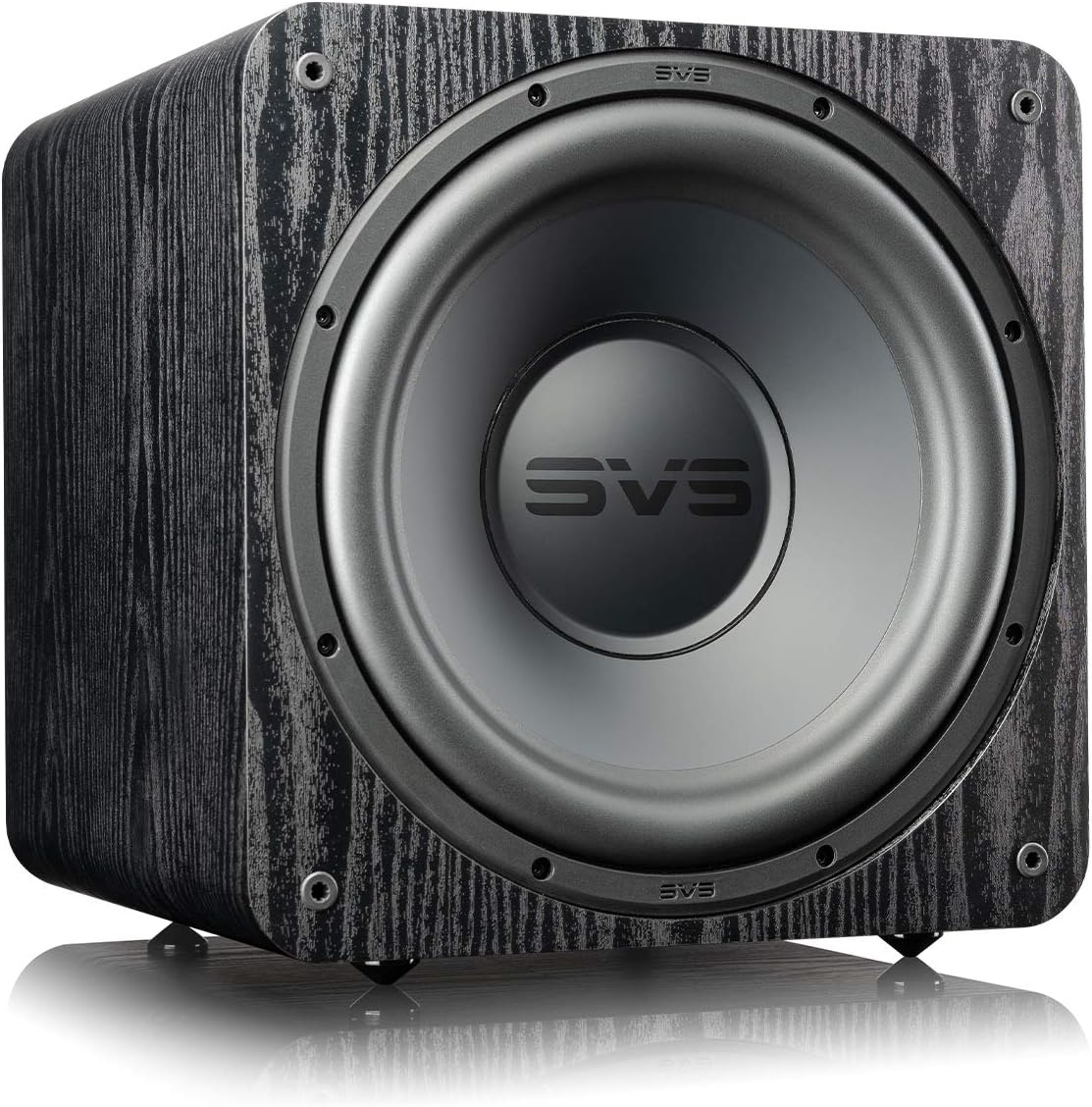
SVS and REL are the two names that come up most often in serious subwoofer discussions. Both make excellent products. But they’re built on different philosophies and genuinely suit different people. Here’s the honest comparison.
How They’re Different at the Core
SVS is data-driven. They design for measurable performance — flat frequency response, deep extension, high output, low distortion. They sell direct, which means better value per dollar. They back everything with a 45-day home trial and 5-year warranty.
REL is philosophy-driven. They believe a subwoofer should integrate with the main speakers so naturally that you forget it’s there — and they build their entire product line around that idea. Their recommended connection method (high-level, via speaker outputs) and their “never dominant, always supportive” design ethos produces results that some listeners — particularly music lovers — prefer even when the specs suggest SVS should win.
The Connection Method Difference
This is the biggest practical distinction. SVS connects via RCA/LFE from your receiver’s sub output — standard, universal, works with everything.
REL recommends connecting via the speaker terminals of your power amplifier using the included Neutrik Speakon cable. The sub senses the same signal as your speakers, including the tonal character of the amplifier. REL argues this produces more organic integration. In my experience with two-channel music setups, they’re right — it sounds different, and many listeners prefer it.
Performance Comparison
| SVS SB-1000 Pro | REL T/7x | |
|---|---|---|
| Bass extension | 20Hz (-3dB) | ~28Hz (-6dB) |
| Output | Higher | Moderate |
| Music integration | Excellent | Outstanding (with high-level) |
| Home theater | Better | Good |
| App control | Yes | No |
| Warranty | 5 years | 5 years |
Who Should Buy SVS
- Home theater is the primary use case
- You want app control and measurable precision
- Budget is important — SVS gives more performance per dollar
- You’re using an AV receiver rather than a stereo amp
Who Should Buy REL
- Two-channel stereo music is the primary use case
- You have a quality separate stereo amplifier
- Integration and naturalness matter more than specs
- You’re willing to spend more for a different kind of performance
My Honest Take
For home theater: SVS, clearly. The output, app control, and value are better for the use case.
For two-channel music with a quality stereo amp: REL is genuinely worth the premium. I’ve heard the difference in properly set up systems and the REL high-level connection produces something that’s hard to describe precisely but easy to hear — a more organic relationship between sub and speakers that sounds less like two separate components and more like one complete system.
For most people with most setups: SVS. For music-obsessive audiophiles with separates: seriously consider REL.