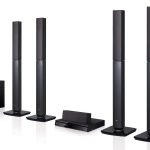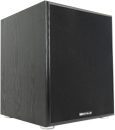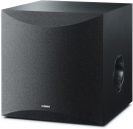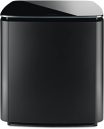
Pick the wrong one and you’ll have bass that’s either too loose and boomy or too restrained for what you actually do with your system. Pick the right one and it sounds like it was made for your setup. Here’s how to decide.
The Quick Version
Watch a lot of movies or listen to hip-hop/EDM? Get a ported sub.
Care more about music accuracy? Get a sealed sub.
Not sure? Lean sealed — it’s more versatile.
How a Sealed Sub Works
A sealed enclosure is a completely closed box. The air inside acts as a spring that controls the cone’s movement. This results in tight, accurate bass with what engineers call a “gradual rolloff” — bass doesn’t fall off a cliff at the low end, it tapers gently. Notes start when they should start and stop when they should stop.
The downside: sealed subs need more amplifier power to achieve the same output as a ported design of similar size. You pay in wattage for what you gain in accuracy.
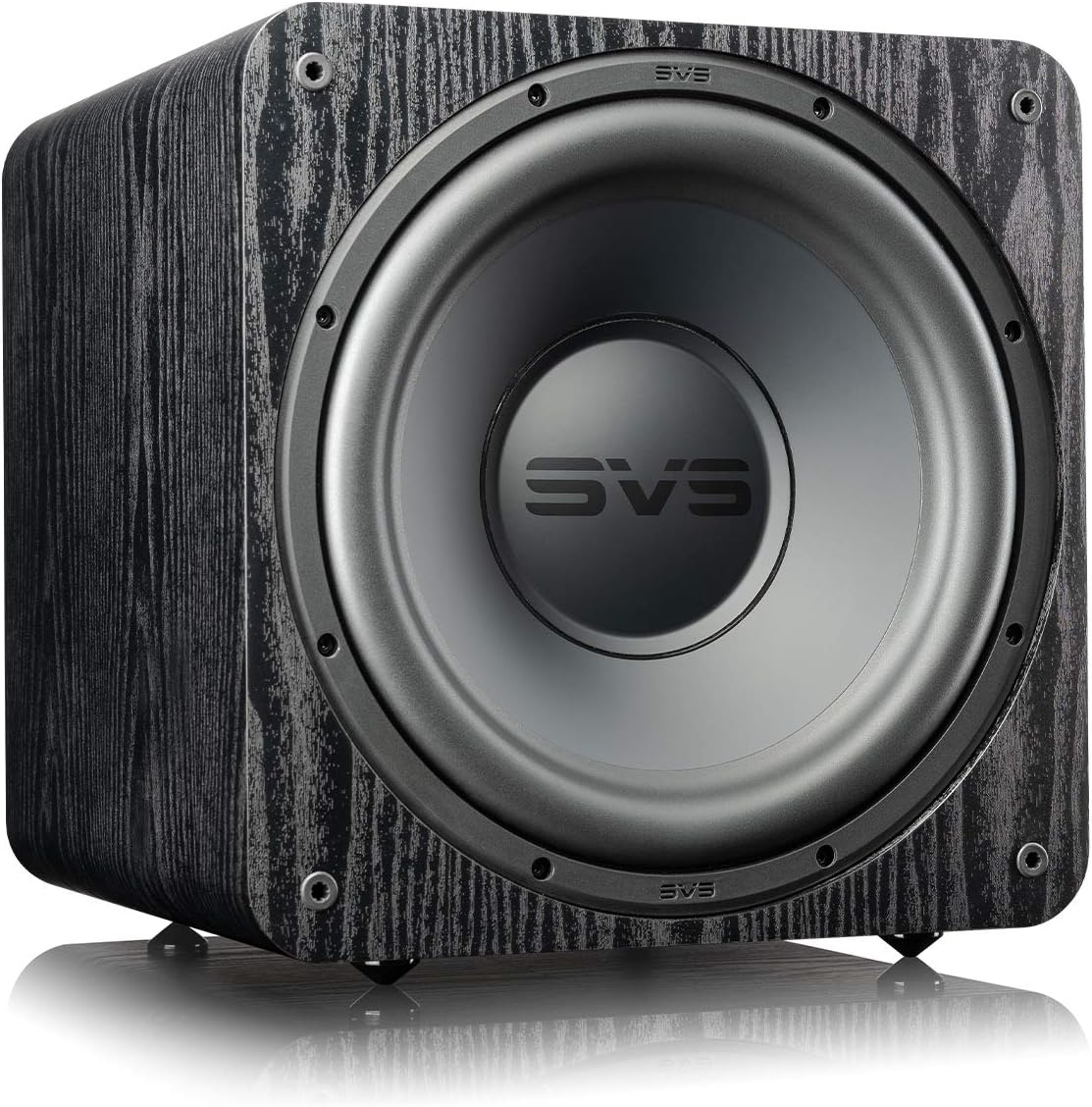
Best sealed sub: SVS SB-1000 Pro — the accuracy benchmark at this price.
How a Ported Sub Works
A ported enclosure has a tuned tube or slot that lets air move in and out. At the port’s tuning frequency, the port itself contributes significant output — effectively acting as a second driver. This means more output for the same amplifier power and deeper bass extension.
The trade-off: the bass character is slightly looser. Notes take marginally longer to decay. And below the port tuning frequency, output drops off steeply — unlike the gentle rolloff of a sealed design. Push a ported sub hard below its tuning point and the driver can over-excurse, causing damage.
Best ported sub: Klipsch R-120SW — high-impact home theater performance.
Side-by-Side Comparison
| Factor | Sealed | Ported |
|---|---|---|
| Bass accuracy | Better | Good |
| Impact / wow factor | Good | Better |
| Deep extension | Good | Better |
| Output efficiency | Lower | Higher |
| Enclosure size | Smaller | Larger |
| Apartment-friendly | Better | Less ideal |
| Best for music | Yes | Hip-hop / EDM only |
| Best for movies | Good | Yes |
What About Passive Radiators?
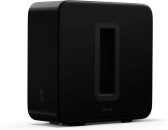
A third option that doesn’t get enough attention. A passive radiator is an unpowered cone that replaces the port. It behaves similarly to a ported design — extended bass, higher output — but without port noise at high volumes. Many compact high-quality subs use this approach. The Sonos Sub uses passive radiators, for example. Generally the best of both worlds, though harder to find in budget options.
My Honest Recommendation
Most people come to this question thinking they want a ported sub because they’ve heard “more bass is better.” That’s not wrong, but sealed bass often sounds more impressive in daily use because it’s tighter and more natural. I’ve had people switch from ported to sealed and prefer it, even though the specs suggested they should want more output.
Try this thought experiment: think about what’s playing in the room when you most wish the bass was better. If it’s explosions in a movie — ported. If it’s a live recording of a band — sealed. If you genuinely can’t decide, start with sealed.