People use these terms interchangeably, and technically they’re related — but they’re not the same thing. Here’s the actual distinction and why it matters.
What a Woofer Is
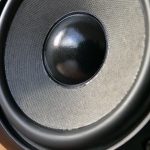
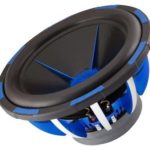
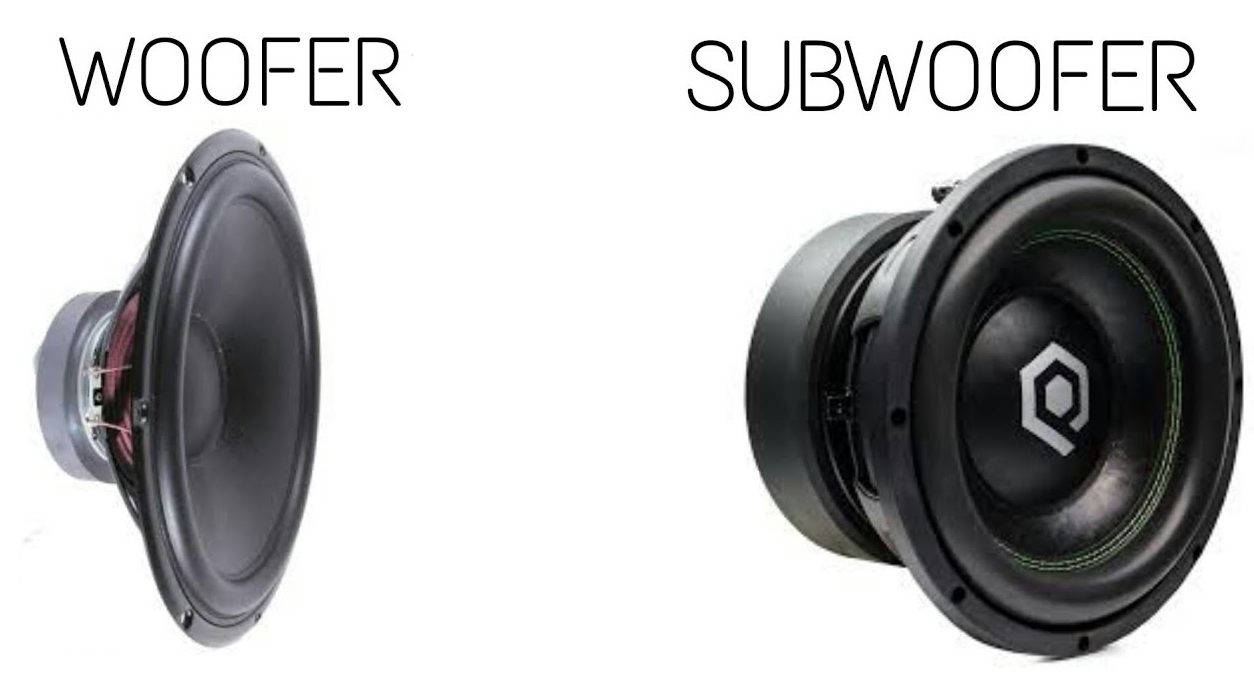
A woofer is a speaker driver designed for low-to-mid frequencies. The word comes from “woof” — an onomatopoeia for a dog’s bark, which sits in the low frequency range. Woofers typically cover from about 40Hz up to 2,000Hz. They’re the large drivers you see in bookshelf speakers and floor-standers — the bass and lower-midrange specialist in a multi-driver speaker system.
A standard bookshelf speaker might have a 6.5-inch woofer paired with a tweeter. The woofer handles everything from bass guitar notes down to where the speaker runs out of steam physically. That’s its job.
What a Subwoofer Is
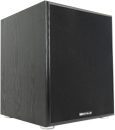
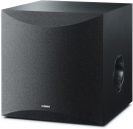
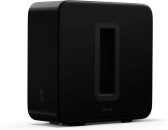
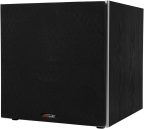
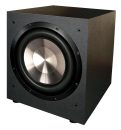
A subwoofer is a specialist woofer focused exclusively on the lowest frequencies — typically 20-120Hz. It’s always housed in its own dedicated enclosure, always paired with a high-powered dedicated amplifier, and always designed to produce bass that a conventional woofer can’t reach at useful output levels.
The key distinction: a woofer is one driver in a speaker that handles multiple frequency ranges. A subwoofer is a complete system dedicated to a single narrow frequency range.
Why the Distinction Matters
| Woofer (in a speaker) | Subwoofer | |
|---|---|---|
| Frequency range | 40-2000Hz typically | 20-120Hz typically |
| Dedicated amplifier | No (shared with other drivers) | Yes (built-in, high-powered) |
| Enclosure | Part of the speaker cabinet | Dedicated, purpose-built |
| Deep bass capability | Limited by cabinet size | Optimised for deep extension |
| Role in system | One component of a speaker | Separate, dedicated bass system |
Can a Woofer Replace a Subwoofer?
Not effectively. Even a large 10 or 12-inch woofer in a floor-standing speaker is operating at the edge of its design limits when asked to produce 30-40Hz bass at real output levels. It produces something, but at low efficiency and with distortion. A subwoofer at the same frequency with the same output level is operating comfortably within its design range.
This is why floor-standers with excellent bass specs still often benefit from a dedicated sub. The sub takes over where the floor-stander runs out of steam, and lets the floor-stander’s woofer focus on the frequencies it handles well.
Do You Need Both?
For complete audio: yes. Your speakers’ woofers handle the mid-bass and midrange. Your subwoofer handles the deep bass. Together they cover everything from 20Hz to wherever your speakers reach at the top end. The crossover in your receiver splits them cleanly so each handles its optimal range.
The Klipsch R-120SW pairs well with bookshelf or floor-standing speakers across most price ranges. For music-focused setups, the SVS SB-1000 Pro integrates more naturally.