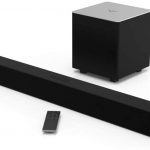
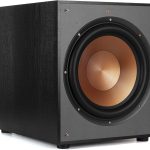
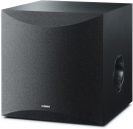
A music subwoofer and a home theater subwoofer are different things. Most online recommendations conflate them. For music, you want bass that sounds like the instrument — tight, articulate, natural. You don’t want the exaggerated boom that sounds impressive in an electronics showroom but makes jazz double bass sound like a foghorn.
What Matters for Music
Sealed enclosure: The single most important factor. Sealed subs have faster, more natural bass decay. Notes stop when they’re supposed to stop. Ported designs have a slight “overhang” that’s barely noticeable in movies but distracting in acoustic music.
Accurate frequency response: Flat, without peaks. You want the sub adding what’s there, not colouring what isn’t.
Seamless integration: At the right crossover point, you should not be able to hear where the sub starts. If it’s doing its job perfectly, you never consciously register it’s there — you just notice the music sounds complete.
Top Picks
SVS SB-1000 Pro — Best Music Sub Under $600
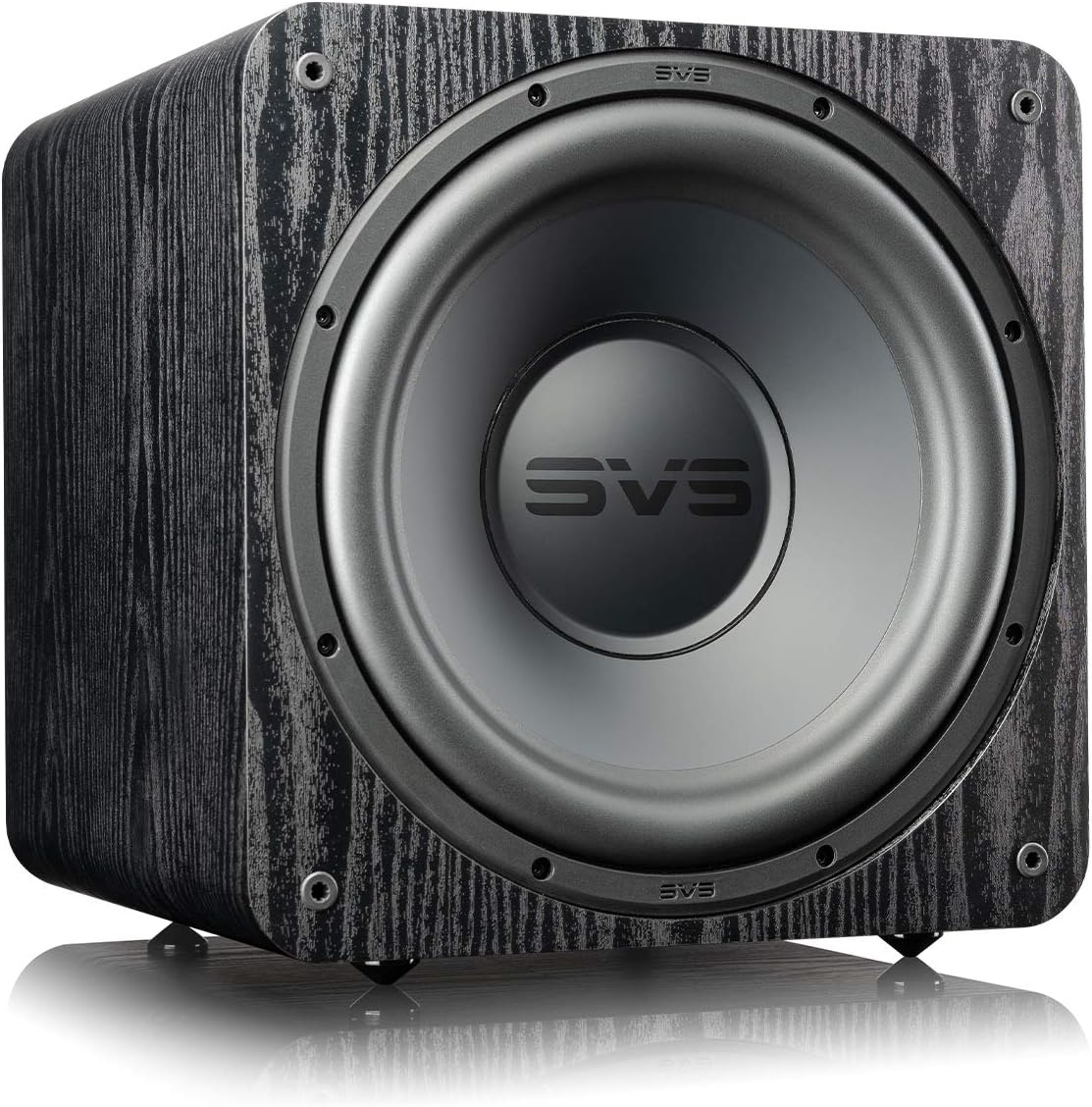
This is the sub I use for music reference testing. Sealed, 325W, 20Hz extension, app control. When I tested it with jazz (upright bass), the bass had genuine articulation — you could hear the character of the instrument, not just low-frequency sound. That’s what good sealed design does.
The parametric EQ in the app lets you compensate for any room mode peaks that colour specific bass notes. Getting that right takes the listening experience from good to excellent.
REL T/9x — Best for Two-Channel Stereo Systems
REL’s approach is different from everyone else on this list. They recommend connecting directly to your amplifier’s speaker terminals via a high-level input — so the sub hears the same signal as your speakers, including the amplifier’s tonal character. The result is integration that feels more organic than a standard LFE connection. For dedicated music listening with a quality stereo amp, this approach genuinely sounds different. Worth the price if that distinction matters to you.
KEF Kube 8b — Best Compact Music Sub
KEF’s DSP bass extension pushes this 8-inch driver further than its size should allow. Cube form factor sits neatly anywhere. Accurate, musical, compact. For smaller rooms or setups where a 12-inch enclosure would be excessive, the Kube 8b is the refined choice.
Setup for Music Listening
- Lower crossover: 60-70Hz for music vs 80Hz for home theater. Give your main speakers more of the bass range they handle well.
- Conservative gain: Lower than you think. The sub should add foundation without being identifiable as a separate source.
- Phase is critical: More so for music than movies. Take the time to set it properly.
- Use familiar recordings: Test with music you know well. Any bass anomalies are immediately obvious with familiar material.
Genre Guide
| Genre | How Much a Sub Adds |
|---|---|
| Hip-hop / EDM / Electronic | Transformative — the music is built on sub-bass |
| Rock / Blues | Significant — kick and bass guitar feel real |
| Jazz | Good — double bass gains weight and presence |
| Classical | Variable — pipe organ is extraordinary, chamber music more subtle |
| Acoustic / Folk | Subtle but real — guitar body resonance and room sound |