Sonos makes excellent soundbars that benefit enormously from added bass. The Sub and Sub Mini are the obvious first choices, but they’re expensive. Here’s the full picture of what works and what’s worth the money.
The Native Sonos Options
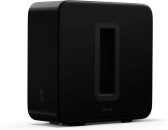
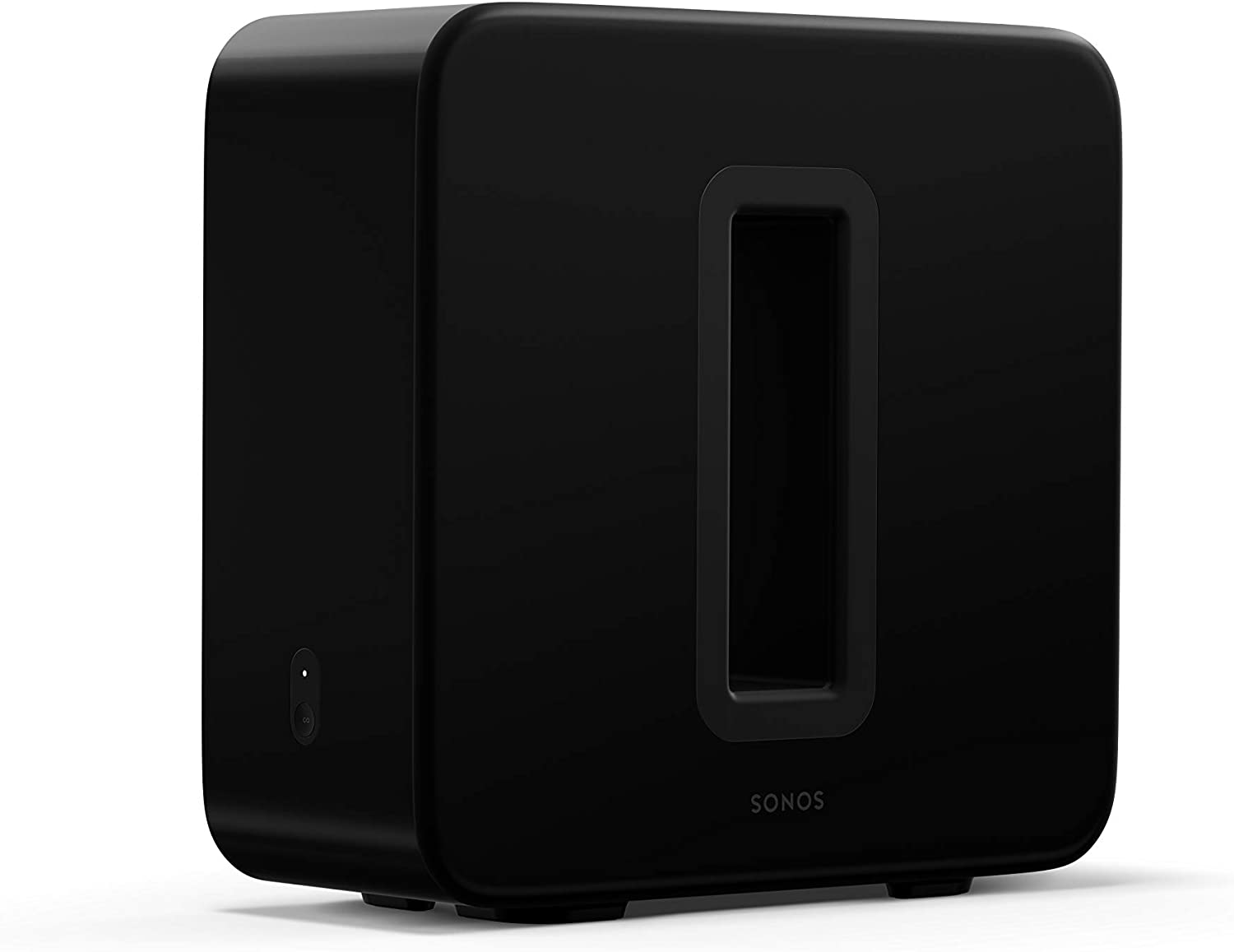
Sonos Sub (Gen 3) — Best Native Option
Two opposing 6-inch drivers that cancel cabinet vibration. Automatic Trueplay calibration. Wireless pairing with any Sonos soundbar. The integration genuinely is seamless — pair it, Trueplay calibrates it, done. No crossover settings, no phase adjustment, no manual tuning required.
The bass character is controlled and musical rather than dramatic. If you want subtle, well-integrated bass that disappears into the music, the Sonos Sub does this better than most alternatives at the price. If you want bass that makes movies exciting and physical, there are better options for the money.
Worth it for: Sonos Arc and Beam Gen 2 owners who want the cleanest possible integration with zero configuration.
Sonos Sub Mini — Best for Smaller Rooms
Same wireless integration and Trueplay calibration as the full Sub, in a smaller enclosure at a lower price. For rooms under 250 square feet or for use with the Sonos Beam or Ray, the Sub Mini is the right-sized choice. Output is less than the full Sub but proportionately appropriate for smaller spaces.
Third-Party Options via TV
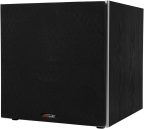
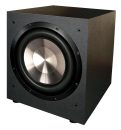
For significantly better bass performance at lower cost: connect both the Sonos soundbar and a dedicated powered sub to your TV. The TV handles audio distribution, the Sonos takes care of midrange and treble, the powered sub handles bass.
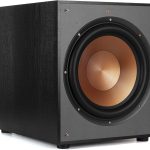
The Klipsch R-120SW via your TV’s sub output delivers more dynamic, deeper bass than the Sonos Sub less. The trade-off is that it’s not Sonos-integrated — you manage it separately — and it requires your TV to have a subwoofer output (many do).
Honest Assessment
The Sonos Sub is excellent if you value seamless integration, automatic calibration, and the native Sonos experience. It’s expensive for what the driver specs suggest, but you’re paying for ecosystem integration and zero-configuration operation — and those things have real value for people who don’t want to think about audio setup.
If maximum bass performance per dollar is the priority, a third-party sub connected via the TV will beat the Sonos Sub in raw performance. Whether the integration convenience is worth $500+ is a personal call.