Apartment subwoofer use is absolutely possible. I’ve done it for years. The key is choosing the right sub, setting it up correctly, and being thoughtful about volume. Here’s what I’d actually recommend.
What Makes an Apartment Sub Different
The main constraints:
- Volume limits: You can’t play as loud as you want when neighbours share walls and floors
- Vibration transmission: Bass travels through building structures efficiently — isolation matters
- Room size: Most apartments have smaller rooms where a 15-inch sub would overpower everything
My Top Picks
SVS SB-1000 Pro — Best Apartment Sub
The sealed design is the key advantage here. Sealed subs produce tighter, more controlled bass that transmits less structure-borne vibration than ported designs at the same volume. The app control means you can reduce bass quickly when needed — switch to a lower gain preset when neighbours are likely home without getting up from your seat. 12 inches is appropriate for most apartment rooms.
KEF Kube 8b — Best Compact Apartment Sub
Eight inches, sealed, compact cube design that fits anywhere. Less output than a 12-inch but proportionately less structural vibration. For rooms under 200 sq ft, the Kube 8b produces satisfying bass without the output that causes neighbour problems. KEF’s engineering makes it perform above its size.
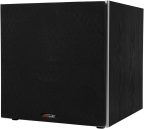
Polk Audio PSW10 — Best Budget Apartment Sub
Ten inches, modest output, neutral sound. For apartment use on a budget this is sensible — enough bass to make a real difference, not so much output that it becomes a problem. Simple, reliable, affordable.
The Setup Rules for Apartment Living
- Get an isolation pad — this is not optional. The Auralex SubDude under your sub significantly reduces what travels through the floor to downstairs neighbours. available on Amazon and one of the best investments for apartment audio.
- Keep the sub away from shared walls. 18 inches or more between the sub and any wall shared with a neighbour reduces direct coupling of bass energy into that wall.
- Set a maximum evening volume. Decide on a level you’re comfortable with and stick to it. A piece of tape on the receiver volume knob at the maximum evening level is a practical reminder.
- Use midnight mode. Your receiver’s “late night” or “midnight” mode limits dynamic peaks automatically. Use it after 10pm.
- Talk to your neighbours first. A brief friendly heads-up — “I have a subwoofer, if you ever hear too much bass let me know” — prevents most conflicts before they start.
Sealed vs Ported for Apartments
Sealed every time. Ported designs move more air and produce more structural vibration at the same output level. The difference in bass impact for the listener is modest. The difference in what neighbours experience is more significant. Sealed is the considerate choice.