Impedance matching is one of those topics that intimidates people unnecessarily. It’s not complicated once you understand the key principle: parallel connections reduce combined impedance, series connections increase it, and most home theater receivers handle mixed impedance across separate channels just fine.
The Short Version
On separate channels: Fine. A 4-ohm speaker on one channel and an 8-ohm on another is how most modern surround systems work. Each channel deals with its own load independently.
On the same channel in parallel: Check your amp’s minimum impedance rating first. Two speakers wired in parallel produce a combined load lower than either individual speaker.
The Parallel Impedance Math
When two speakers are connected in parallel, their combined impedance is calculated as: (A × B) / (A + B).
- Two 8-ohm speakers in parallel = (8×8)/(8+8) = 4 ohms
- An 8-ohm and 4-ohm in parallel = (8×4)/(8+4) = 2.67 ohms
Most home receivers are rated for a minimum load of 4-6 ohms. A 2.67-ohm combined load is below this rating for most receivers. Running below the minimum rated impedance causes the amplifier to draw excessive current — it overheats, triggers protection shutdowns, or in extreme cases sustains damage.
What About Powered Subwoofers?
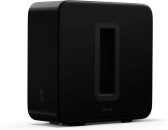
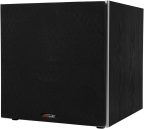
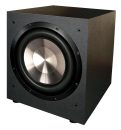
If you’re asking this because you’re adding a subwoofer: powered subs have their own internal amplifier and connect via RCA cable, not speaker wire. Their impedance doesn’t interact with your receiver’s speaker amp at all. You don’t need to worry about impedance when adding a powered sub — it’s a completely separate electrical system.
When Mixing Impedances Is Safe
- Different speakers on different amplifier channels — each channel sees only its own load
- Series wiring (impedances add together) — combined impedance is higher, easier on the amp, but reduces overall volume
- Parallel wiring where the combined load stays within the amp’s minimum rating
Practical Advice
For most home theater setups with an AV receiver: check your receiver’s manual for its minimum speaker impedance rating. Many modern receivers handle 4 ohm loads fine. Some specify 6 ohms minimum. If you’re mixing speakers across channels, you’re almost certainly fine. If you’re wiring multiple speakers to the same channel in parallel, do the math first and compare to your amp’s minimum rating.
When in doubt: series wiring (impedances add) is safer for the amp, though it reduces maximum output.