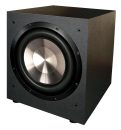
Being on the receiving end of a neighbour’s subwoofer — especially late at night — is genuinely unpleasant. Bass at 40Hz comes through walls and floors in ways that doors and standard soundproofing don’t stop. Here’s what actually works.
Step One: Talk to Them
I know this sounds obvious. Most people skip it out of social awkwardness or because they assume it won’t work. It does work, more often than not.
Your neighbour almost certainly doesn’t know how much bass is coming through to your side. They’re sitting inside it — to them it sounds great. From your side it’s a constant low rumble that makes sleep impossible. They don’t feel what you feel.
Approach it at a neutral time, not in the middle of the noise when you’re at peak frustration. Be specific: “The bass from your system comes through my bedroom wall, especially late at night, and it makes it hard to sleep.” Not accusatory. Specific. Most people respond to that reasonably.
If they understand the problem and they’re decent people, they’ll make adjustments — turning it down after a certain time, using the receiver’s midnight mode, putting an isolation pad under their sub. Most neighbour conflicts about bass are resolved at this stage.
Offer Practical Solutions
Share my guide on reducing bass through walls. Many people genuinely don’t know that an isolation pad under their sub (available on Amazon) can significantly reduce what their neighbours hear. If your neighbour is willing but doesn’t know what to do, pointing them to practical information is more useful than complaints.
Document If Needed
If talking doesn’t resolve it and the problem continues, document it before escalating. Note:
- Dates and times of disturbances
- Duration of each incident
- Nature of the noise (bass only, full audio, etc.)
- Any recordings if possible
This documentation matters if you need to involve building management or local authorities.
Escalate Appropriately
In order of escalation:
- Direct conversation (always first)
- Building management or landlord — most lease agreements include noise clauses
- Local noise ordinance — most areas have quiet hours and specific noise limits. Non-emergency police line is appropriate for repeated violations during prohibited hours.
- Formal complaint through local housing authority if the above fail
What You Can Do on Your Side
While working through the above, these help:
- White noise machine in your bedroom — masks the higher-frequency harmonics of the bass that make it most disruptive to sleep
- Heavy bookshelf against the shared wall — books add mass that slightly attenuates transmission
- High-NRR foam earplugs — not perfect for bass (bone conduction partially bypasses earplugs) but help with sleep
Realistic Expectations
You can reduce bass transmission but you cannot eliminate it without major acoustic construction. The goal is reducing it to a level that’s liveable while working toward a lasting solution with your neighbour. In most cases, a direct conversation followed by your neighbour using an isolation pad and being mindful of volume after 10pm is enough to resolve it.