

Can a Subwoofer Damage Your House? The Real Answer
Can a subwoofer damage a house? Why home subs won’t harm the structure, what they can do (rattles, loosened fittings), and simple precautions.
Plain-English explanations of how subwoofers work, what the specs mean and whether you need one.
Can a subwoofer damage a house? Why home subs won’t harm the structure, what they can do (rattles, loosened fittings), and simple precautions.

Why some audiophiles dislike subwoofers, where they have a point, where they’re wrong, and how modern subs and setup tools changed the debate.

What Hz is best for bass: a map of bass frequencies from 20 to 250 Hz, the best crossover setting, and which frequencies control punch, rumble and boom.

How a subwoofer improves sound beyond more bass: cleaner speakers, recording details and physical impact, plus the setup mistakes that make things worse.

Are subwoofers worth buying? When a sub is essential, when it’s a nice extra, when to skip it, and why it’s often better value than pricier speakers.

Does a subwoofer only play bass? Yes. What actually comes through a sub, the LFE channel in films, and why splitting bass from your speakers improves everything.

How a subwoofer works in plain English: the driver, enclosure and amplifier, why you feel bass, why it’s hard to locate, and what the crossover does.

What separates a good subwoofer from a mediocre one: low distortion, amplifier headroom, a solid cabinet, the right design for your room, integration tools and reliability.

How subwoofer design affects sound: Thiele-Small parameters, motors and voice coils, cone materials, amplifiers and enclosure construction, in plain English.
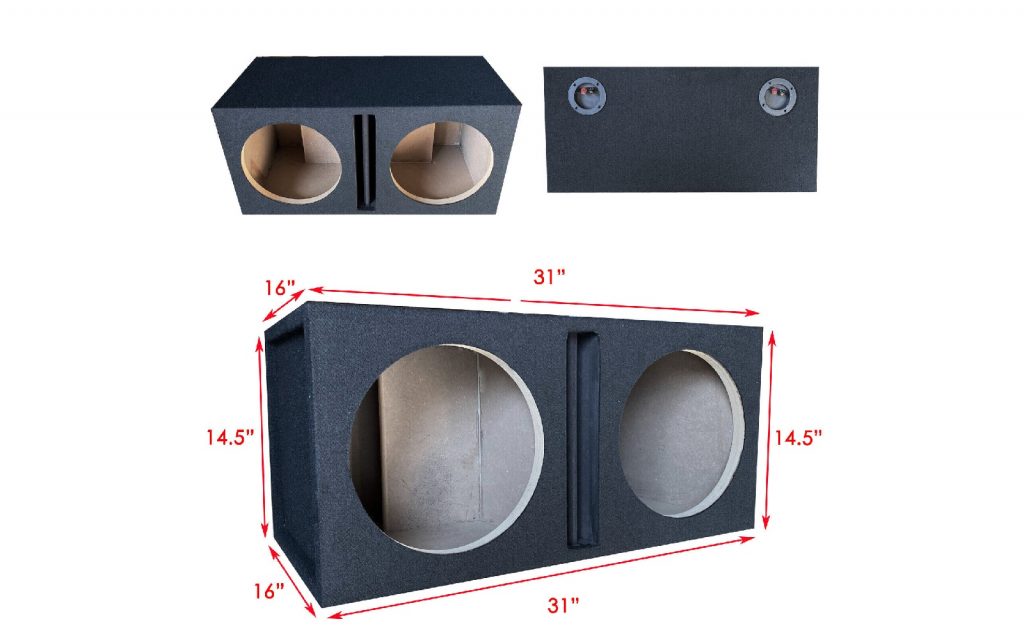
The four subwoofer enclosure types explained: sealed, ported, passive radiator and bandpass, with how each sounds and which suits your room or car.